Get the right filter for your home and water

Water filtration system installation Spokane WA for cleaner water

For water filtration system installation Spokane WA homeowners can count on, Plumbing Spokane LLC matches the equipment to your water concerns, plumbing layout, and daily use. We install point-of-use filters and whole-home systems for households dealing with unwanted taste, odor, sediment, or scale. If you want dependable drinking and bathing water without guesswork, we test the situation, explain the options, and install a system designed for your property.

↗
Fast online booking

Request service today

Tell us what is happening. Our local team will confirm your visit shortly.

No spam. No obligation. Just practical help.
Thanks — we'll call shortly to confirm your visit.
Plumber for Spokane homes
Careful work. Honest options.
About this service

Water filtration system installation Spokane WA

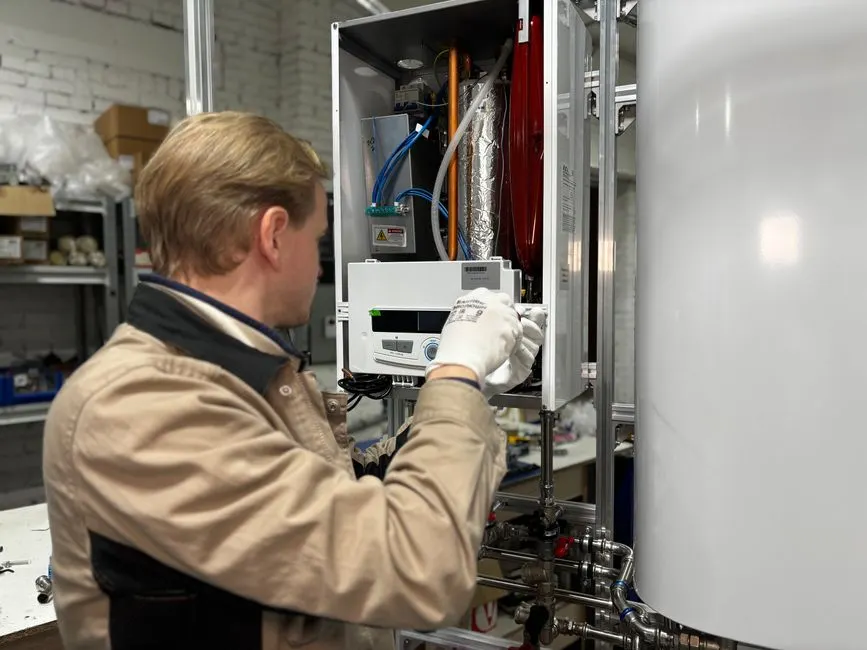
Water filtration system installation Spokane WA is the plumbing work of selecting and connecting treatment equipment that reduces targeted contaminants, sediment, taste, or odor at a fixture or throughout a property. We inspect the supply line, available space, flow requirements, and filter specifications before cutting pipe or setting a bypass. A point-of-use unit treats water at one faucet; a whole-home system treats incoming water before it reaches fixtures and appliances. Correct sizing matters: an undersized cartridge restricts flow, while the wrong media may not address the concern you actually have.

Spokane households call us about mineral scale, chlorine taste, sediment after plumbing work, and water that varies in flavor from one tap to another. Those symptoms have different causes, so we distinguish filtration needs from a water softener or a repair such as a leaking faucet. Our water filter installation Spokane service begins with your priorities and the equipment's published treatment claims. If you are searching for whole house water filtration Spokane, we check the incoming line, bypass access, drain needs, and space before recommending a configuration.

  • ✓ Improve water taste
  • ✓ Protect fixture flow
  • ✓ Reduce unwanted sediment
  • ✓ Plan maintenance clearly
What's included

What your installation includes

Your installation covers assessment of the proposed location, connection of the selected filtration equipment, and operational checks. We review the manufacturer's requirements and explain how to use the unit. Additional pipe relocation, electrical work, drain changes, or water testing beyond the installation plan can add labor or equipment; we identify those needs before proceeding and provide upfront pricing.

✓

Location and connection check

We inspect the nearby shutoff, pipe material, available clearance, and access for future cartridge changes. For an under-sink system, we check cabinet space and faucet access; for whole-home equipment, we look for a serviceable point on the incoming line.

✓

Filter system installation

We secure the selected filter housing and connect it to the supply with compatible pipe and fittings. Where the layout calls for it, we install or position a bypass and isolation shutoff so you can service the unit without shutting off water to the entire property.

✓

Startup and leak testing

We restore water gradually, inspect new joints under pressure, and flush the unit according to its product instructions. We check treated-fixture operation and look for leaks at the housing, tubing, and nearby connections before putting the area back into normal use.

✓

Maintenance handoff

We identify the cartridge model and explain the manufacturer's replacement interval, which may be based on time, gallons, or both. You will know where the shutoff is, how the bypass works, and which parts need routine attention to maintain the system's intended flow.

How it works

What installation looks like

01

Discuss water concerns

We start by asking what you notice: taste, odor, visible particles, scale, or a filter that needs replacement. You can show us the fixture where the issue is clearest and tell us how many people use the system. This conversation takes about 10 to 20 minutes and helps us avoid recommending equipment that treats the wrong problem.

02

Inspect plumbing access

We examine the incoming water line, shutoff, pipe material, cabinet or utility-room clearance, and available drain connection if the system requires one. We check for leaks and note existing pressure concerns before installation. A straightforward inspection often takes 20 to 40 minutes; access limitations or older fittings can change the work plan.

03

Match system and location

We compare treatment type, rated flow, cartridge availability, and the manufacturer's service requirements with your needs. Point-of-use equipment sits near one faucet; a whole-house unit goes on the main supply where it can be isolated and serviced. Before work starts, we give you upfront pricing and explain the selected configuration in plain language.

04

Install and connect

We shut off the supply, relieve line pressure, make the required cuts, and connect the unit with compatible fittings. The system is secured with room to access its housing and shutoff. We use Teflon tape or pipe sealant where appropriate for threaded connections, follow the product instructions, and keep debris out of open pipe.

05

Flush and verify operation

We restore water gradually, inspect every connection for leaks, flush the filter according to its instructions, and check flow at the treated fixture. You see how to use the bypass and shutoff before we finish. We also review the cartridge model and maintenance interval, usually listed by the manufacturer in months or gallons.

Tools & methods

Tools and installation methods

Purpose-built equipment, used by trained technicians — so the job is done accurately the first time.

Pressure gauge

We use a pressure gauge when flow concerns or system specifications call for a measured check. Comparing pressure before and after installation helps identify a restriction that a visual inspection could miss.

Pipe cutter

A pipe cutter makes a controlled cut when the filter connection requires a section of compatible supply pipe. We measure first and keep the cut square so fittings seat properly and the finished connection can be inspected.

RIDGID pipe tools

RIDGID tools help us work cleanly on plumbing connections and fittings in confined utility spaces. The correct tool for the pipe material reduces unnecessary strain on existing lines during installation.

Milwaukee inspection lighting

Milwaukee work lighting helps us see shutoffs, fittings, and the back of under-sink cabinets clearly. Good visibility makes it easier to spot moisture and verify that the filter housing remains accessible.

Leak detection equipment

We use leak detection equipment when a moisture concern or hidden leak needs diagnosis before connecting treatment equipment. Finding and repairing the source first protects cabinets, walls, and the new filter installation.

Real results

Before and after.

Kitchen taste and odor improvement

Before

A South Hill household reported an unpleasant taste at the kitchen tap and was buying bottled water. The under-sink cabinet had room for a compact system, but the existing faucet and shutoffs needed to be checked before selecting equipment. The family wanted treated drinking water without replacing the kitchen fixtures.

After

We installed a point-of-use filter with a dedicated treated-water outlet, flushed it to the product instructions, and checked the tubing and fittings for leaks. The family now has a separate drinking-water tap, and normal kitchen faucet flow remained available after startup. The cartridge model and its stated replacement interval were reviewed before we left.

Whole-home flow restored

Before

A household in Kendall Yards noticed reduced flow at several fixtures after a whole-home filter had been in service. The bypass handle was difficult to identify, and the owners were unsure which replacement cartridge fit the housing. We inspected pressure, the valve position, and the installed filter model.

After

We fitted the correct replacement cartridge, checked the housing seal, and operated the bypass and shutoff. Flow improved at the tested fixtures, and the owners could identify the service position and cartridge model. The job took about two hours, including inspection, replacement, startup, and checks at the treated line.

Compact remodel installation

Before

During a Browne's Addition kitchen update, the homeowner wanted filtered drinking water but had a disposal, limited cabinet space, and crowded shutoffs. A standard filter placement would have blocked access to the disposal and made cartridge changes awkward. The layout needed to be planned before final connections were made.

After

We positioned a compact filter beside the sink plumbing with enough clearance to remove its cartridge and kept the existing shutoffs reachable. After connecting and flushing the unit, we checked the dedicated outlet and inspected the nearby drain and water joints. The customer retained usable cabinet storage and a serviceable filter location.

Problems we solve

Solve common water treatment problems

The right installation addresses a defined water concern instead of treating every symptom as the same issue. We check whether filtration is appropriate, then choose a system that fits your plumbing and expected demand. If the cause is a leak, pressure fault, or scale problem, we explain the relevant repair or treatment route.

Ask a pro →
01

Persistent taste or odor at the kitchen tap

We ask when the taste occurs, inspect the faucet and supply arrangement, and compare filter claims with the concern. If an under-sink carbon unit fits, we install it with a dedicated outlet or compatible faucet connection, flush the cartridge, and verify flow. We also show you the cartridge model and replacement schedule.

↗
02

Sediment repeatedly appearing in faucet aerators

We inspect the supply and affected fixtures to distinguish incoming sediment from debris in a local line. When a sediment stage is appropriate, we choose a housing and micron rating suited to the issue, install it with service access, and check pressure after startup. We explain how to monitor the cartridge for loading.

↗
03

Scale buildup mistaken for a filter problem

We review the symptoms and separate filtration from softening needs. If hardness treatment is appropriate, we explain how a softener differs from a filter and plan the correct equipment and drain access. If filtration is still wanted for another concern, we design the systems to work in a serviceable sequence.

↗
04

Low flow after a filter was installed

We check the bypass and isolation valves, inspect the cartridge, and measure operating pressure where needed. We confirm the unit's flow rating against household demand and correct the cause, whether that means replacing a cartridge, adjusting the installation, or addressing a plumbing restriction. Then we retest flow at the affected fixture.

↗
Proof you can check

Credentials and service standards

✓
Washington State Plumber LicenseWashington State Department of Labor & Industries
✓
Backflow Prevention Assembly Tester CertificationWashington State Department of Health
✓
Uniform Plumbing Code complianceWashington State plumbing code requirements
Good questions

Water filtration questions answered

(509) 206-8096 →

A straightforward under-sink filter installation often costs about $250 to $700, while a whole-home system commonly runs $900 to $3,500 installed in 2026. The total depends on equipment, pipe access, added shutoffs, and whether a drain or electrical connection is needed. We inspect the installation point and give upfront pricing before work begins. Filter cartridges and future maintenance are separate recurring costs based on the product.

You need a system only if a specific water concern or treatment goal justifies it; taste, odor, sediment, and scale call for different solutions. We help identify whether filtration, softening, or a plumbing repair fits the symptoms. A water test or clear product performance data can guide selection. If you are comparing the best water filtration system Spokane homes can use, start with what you want treated and the system's certified claims.

Yes, we install under-sink, countertop-connected, and whole-home filtration equipment in Spokane, with most simple installations taking about two to four hours. We check the supply connection, available space, flow rating, and service access before fitting the unit. Our water purifier installation Spokane work includes flushing and leak checks when required by the manufacturer's instructions. Call (509) 206-8096 to discuss your water concern and installation location.

The best system is the one rated to treat your specific concern while meeting your home's flow demand and maintenance capacity. A carbon filter can address some taste and odor issues; sediment filtration targets particles, while scale may call for a softener rather than a filter. We compare treatment claims, cartridge life, and installation requirements. Whole house water filtration Spokane options should be selected for the incoming supply and household peak use.

Ready when you are

Book water filtration installation in Spokane

Get a system matched to your water concern, pipe access, and household flow. We serve Spokane, WA, including homes in ZIP codes 99201, 99203, and 99202. Call Plumbing Spokane LLC at (509) 206-8096 to schedule your installation discussion.

Request Service (509) 206-8096 →
Request an appointment

Contact Our Spokane Team

Tell us what is leaking, blocked, or not working, and we will help you choose the next step. Call (509) 206-8096 for service questions and scheduling; our team handles calls during business hours and responds to urgent requests as promptly as possible. We serve Spokane, WA, including ZIP codes 99201, 99203, and 99202, with additional coverage across the city.

Request received — our team will be in touch shortly.
Tap to call(509) 206-8096