Clear stubborn clogs and get your drains working again

Rooter service Spokane WA for drains that flow

Rooter service Spokane WA helps homeowners and businesses clear stubborn drain and sewer-line blockages before a slow drain becomes a backup. Plumbing Spokane LLC uses mechanical drain-clearing tools and camera inspection when needed to find the restriction, remove it, and check the flow. If your sink, tub, toilet, or main sewer line is backing up, call our Spokane team at (509) 206-8096.

↗
Fast online booking

Request service today

Tell us what is happening. Our local team will confirm your visit shortly.

No spam. No obligation. Just practical help.
Thanks — we'll call shortly to confirm your visit.
Experienced Plumbing professionals at work
Careful work. Honest options.
About this service

How rooter service Spokane WA works

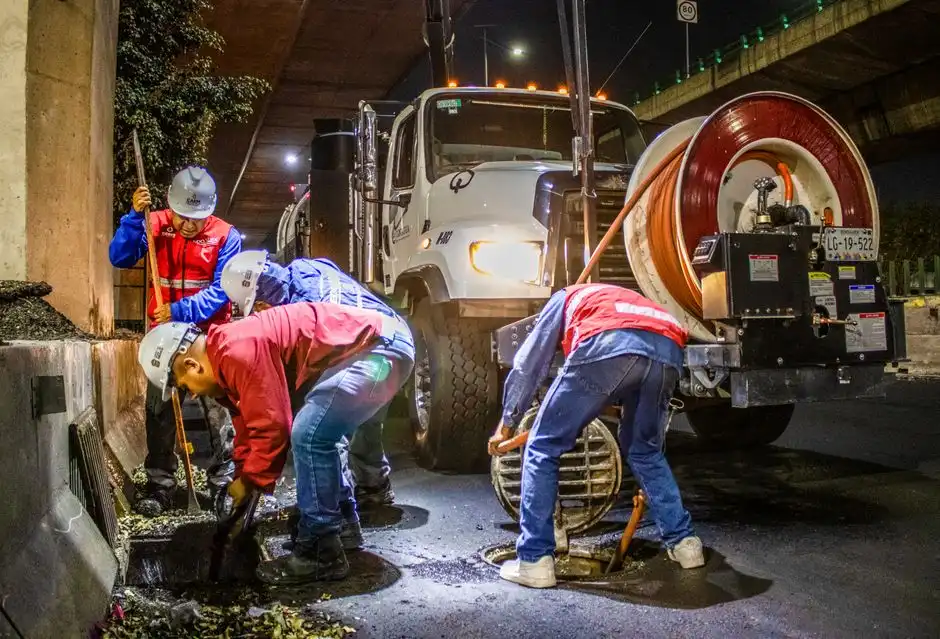
Rooter service Spokane WA is a drain-clearing service that removes clogs and root obstructions from branch drains or sewer lines when ordinary plunging cannot restore flow. We first identify which fixture or line is affected, then choose a cable head and access point suited to the pipe. A drain snake cuts through common buildup, while a video camera inspection system helps us check the line when a recurring blockage or suspected root intrusion needs a closer look. We verify drainage after clearing and explain what the pipe showed.

Spokane homes and commercial buildings see drain trouble from grease, wipes, hair, scale, and tree roots entering older sewer connections. Cold snaps can also expose weak or partially blocked lines when household discharge slows, and a sewer backup needs prompt attention. Our rooter plumbing Spokane service targets the obstruction rather than masking symptoms; if you searched for rooter service near me Spokane WA, we serve neighborhoods across Spokane County and can discuss the right next step.

  • ✓ Restore usable drains
  • ✓ Find recurring causes
  • ✓ Reduce backup damage
  • ✓ Choose a targeted method
What's included

What rooter service includes

Rooter service includes symptom review, access to the affected drain, mechanical clearing, and a flow check. When repeated clogs or possible pipe damage warrant it, camera inspection helps identify what remains inside the line. Hydro jetting, sewer repairs, and replacement are separate solutions recommended only when the pipe condition and blockage call for them.

✓

Drain symptom diagnosis

We determine whether the problem is isolated to one sink or affects several fixtures. That pattern helps locate a branch or main-line restriction and guides the choice of access point before the cable enters the pipe.

✓

Mechanical blockage clearing

A powered cable and suitable cutting head break up or retrieve common obstructions such as hair, grease, and small root growth. The technician controls the cable as it advances, then withdraws it and checks the line.

✓

Post-clearance flow test

We run water through the affected fixture and look for slow drainage, gurgling, or backup. If multiple fixtures showed symptoms, we check them as well to confirm that the shared line is moving wastewater.

✓

Next-step explanation

We tell you what the clearing encountered and whether the symptoms point to recurring root growth or pipe damage. If more diagnosis is useful, camera inspection can help locate the issue before you consider a repair.

How it works

What to expect during service

01

Describe the symptoms

We ask which fixtures are slow, when the problem began, and whether several drains are affected. A single sink points us toward a branch line; bubbling toilets or backups at multiple fixtures suggest a main sewer issue. This first conversation takes only a few minutes and helps us bring the right equipment.

02

Inspect and access

Our technician checks the affected fixtures and locates a suitable cleanout or access point. We protect the work area and assess pipe material and visible conditions before feeding a cable. This step usually takes 10-20 minutes, depending on access and whether the blockage affects one fixture or several.

03

Clear the blockage

We run a drain snake through the line with a cutting head selected for the obstruction. The cable breaks through hair, grease, soft buildup, or small root growth while the technician controls its travel. A typical accessible clog takes about 30-90 minutes to clear; extensive buildup takes longer.

04

Check the line

After clearing, we run water and confirm that the fixture drains without rising or backing up. If symptoms point to damage or recurring root intrusion, we can use a camera inspection to view the pipe interior. You see the distinction between a cleared blockage and a line that needs repair.

05

Review next steps

We explain what caused the restriction, what the test showed, and how to reduce repeat clogs. If the camera shows a broken or displaced section, we discuss repair options rather than repeatedly clearing the same spot. Before work, we provide upfront pricing for the recommended service.
Tools & methods

Tools and clearing methods

Purpose-built equipment, used by trained technicians — so the job is done accurately the first time.

Drain snake

A powered drain snake carries a flexible cable into a line to break apart or retrieve obstructions. We select its size and cutting head to fit the access and suspected blockage.

Video camera inspection system

A camera travels through an accessible drain or sewer line to show roots, buildup, or visible pipe defects. It helps explain recurring symptoms and locate the area requiring further attention.

Hydro jetter

A hydro jetter sends controlled water pressure through a suitable line to scour heavy residue. We assess pipe condition and blockage type before choosing this method.

RIDGID and Milwaukee equipment

RIDGID and Milwaukee drain machines provide cable options for different line sizes and access conditions. The technician controls the machine and cable to clear the restriction without treating every pipe the same way.

Real results

Before and after.

Kitchen line flowing freely

Before

A Spokane kitchen sink drained slowly for several days, then held standing water after meal preparation. The disposal ran, but water remained in the basin and began to smell. Plunging gave brief relief, suggesting the obstruction was farther down the branch line rather than at the sink opening.

After

We accessed the branch and cleared the grease and food buildup with a drain cable. The sink drained through three consecutive basin tests without rising, and the disposal discharged normally. The customer could use the kitchen again without waiting for the water to recede.

Main sewer backup stopped

Before

A lower-level floor drain rose when toilets flushed, and a nearby tub began gurgling. Several fixtures were affected, pointing to a restriction beyond one bathroom branch. Continued water use risked pushing more wastewater into the lowest drain.

After

We cleared the main line through an accessible cleanout and tested the affected fixtures. The floor drain stayed clear during repeated toilet flushes and tub discharge. Camera inspection then showed root intrusion, giving the homeowner a specific location to discuss for lasting sewer repair.

Commercial floor drain restored

Before

A Downtown Spokane shop had a floor drain backing up during high-use periods. Nearby fixtures also drained slowly, making it difficult to tell whether the floor drain itself or a shared line was blocked. Staff had to keep the affected area out of use.

After

We traced the connected drains, cleared the shared line mechanically, and tested the floor drain and fixtures with water. The drain accepted the test flow without backing up, and staff could return the area to normal use after cleanup.

Problems we solve

Problems solved with rooter service

A drain that keeps slowing down often signals a restriction deeper than the fixture trap. We look for the difference between a simple clog and a main-line problem, then clear the obstruction and test the result. Early service helps limit wastewater exposure and repeat disruption.

Ask a pro →
01

Kitchen sink stays full after the disposal and trap are clear

We check whether the restriction lies beyond the sink trap, then use a drain cable through an appropriate access point to break up the blockage. After clearing, we run the faucet and disposal and watch for normal drainage, backing water, or gurgling that suggests a shared-line issue.

↗
02

Several fixtures gurgle or back up at the same time

We compare symptoms across fixtures, locate a sewer cleanout, and mechanically clear the main line. If the obstruction returns or root intrusion is suspected, camera inspection helps show the line condition and where a repair may be necessary.

↗
03

A recurring clog returns after plunging or store-bought treatment

We identify the affected drain and clear it with equipment suited to the line rather than relying on repeated plunging. If symptoms recur, we inspect the pipe for buildup, roots, or damage and explain whether scheduled clearing or sewer repair fits the findings.

↗
04

Basement floor drain rises during heavy household water use

We treat rising wastewater as a possible main-line concern, limit unnecessary water use during diagnosis, and access the line through a suitable cleanout. We clear the obstruction and test nearby fixtures to confirm the wastewater path is open.

↗
Proof you can check

Work you can verify

✓
Washington State Plumber LicenseWashington State Department of Labor & Industries
✓
Uniform Plumbing Code complianceApplicable state and local plumbing requirements
✓
OSHA safety certificationOccupational Safety and Health Administration
Good questions

Rooter service questions, answered

(509) 206-8096 →

A straightforward rooter visit often costs $180-$450 in 2026, while complex main-line work can range from $450 to $1,200 or more. Price depends on access, blockage depth, time required, and whether camera inspection or hydro jetting is needed. We explain the recommended work and provide upfront pricing before proceeding. Call (509) 206-8096 with your symptoms for a more useful starting estimate.

Rooter service uses a powered drain cable to break apart or remove clogs in a drain or sewer line. In Spokane, we use it for issues such as grease, hair, and root intrusion after identifying which line is affected. A camera inspection can help when blockages recur or the pipe may be damaged. Clearing restores flow; it does not repair a cracked or collapsed pipe.

Yes, call (509) 206-8096 for emergency rooter service when wastewater is backing up or several fixtures stop draining. Tell us where water is appearing and whether the problem affects multiple drains so we can assess urgency. Our team works to clear active obstructions and check the line. For an emergency rooter service Spokane Washington call, describe any overflow or property damage when you speak with us.

There is no fixed annual schedule for every drain; arrange service when a line repeatedly slows, gurgles, or backs up. A camera-confirmed root problem may need monitoring or planned clearing, while a healthy household drain does not need routine cabling every year. Avoid flushing wipes or pouring grease into drains, and call promptly if more than one fixture begins acting up.

Ready when you are

Book rooter service Spokane WA today

A slow drain, repeated clog, or active sewer backup needs a clear diagnosis. Our Spokane team will identify the affected line and explain the next step, with upfront pricing before work begins. Call Plumbing Spokane LLC at (509) 206-8096 to arrange rooter service.

Schedule Service (509) 206-8096 →
Request an appointment

Contact Our Spokane Team

Tell us what is leaking, blocked, or not working, and we will help you choose the next step. Call (509) 206-8096 for service questions and scheduling; our team handles calls during business hours and responds to urgent requests as promptly as possible. We serve Spokane, WA, including ZIP codes 99201, 99203, and 99202, with additional coverage across the city.

Request received — our team will be in touch shortly.
Tap to call(509) 206-8096