01
Inspect and map
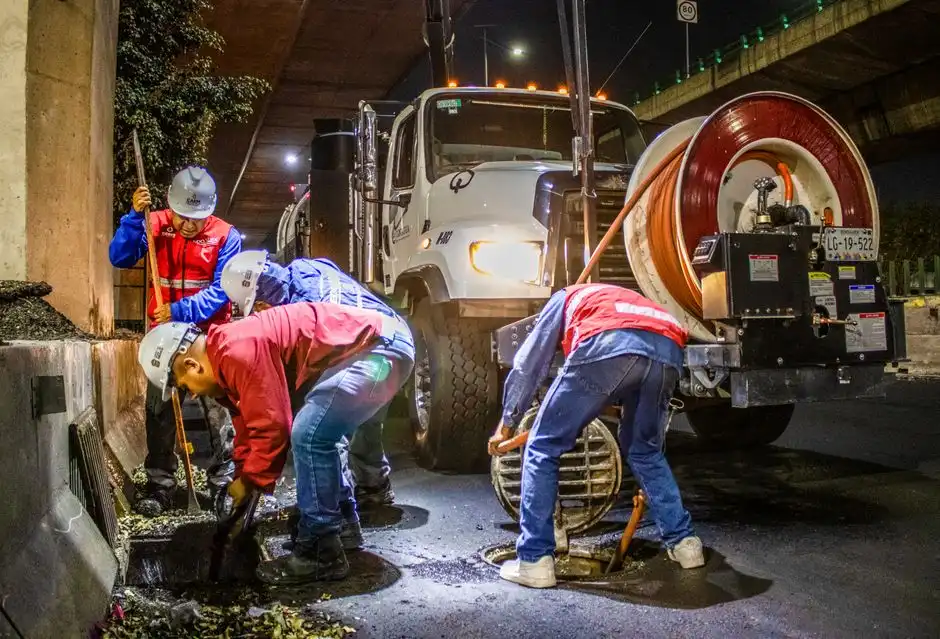
We check visible lines, fixture locations, pressure, and the history of leaks before recommending a partial or whole-house replacement. A video camera inspection system is used for drain or sewer questions, not as a substitute for evaluating water-supply pipes. You walk the home with us, point out problem areas, and get a route plan that accounts for access and daily needs.
02
Protect work areas
Before cutting begins, we identify furniture, flooring, and high-use fixtures that need protection. We set the work sequence so water shutoffs are controlled, and we tell you which fixtures will be temporarily unavailable. In many homes, the main water interruption is divided into planned blocks rather than leaving the entire house without service for the whole project.
03
Remove failing pipe
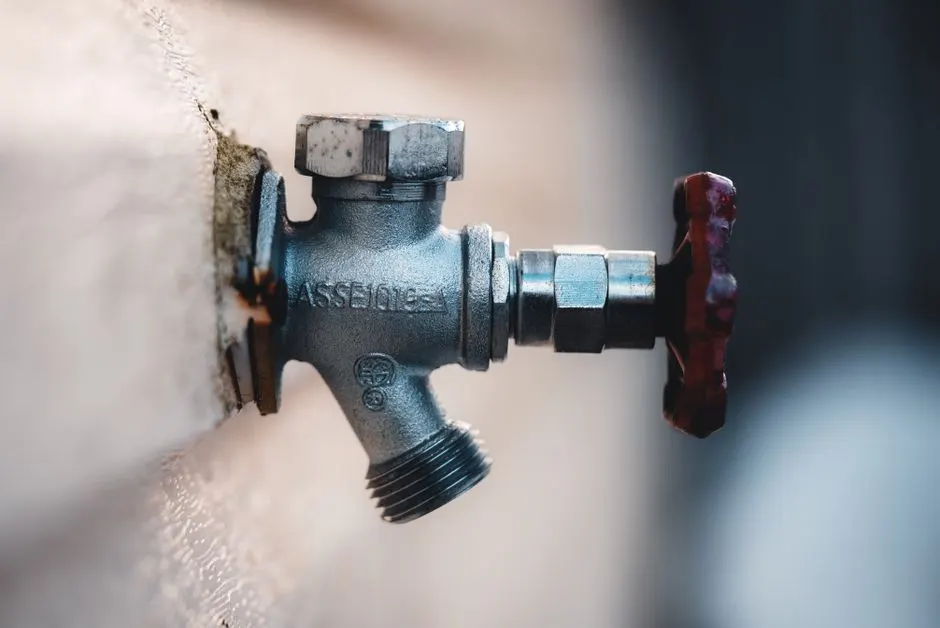
We isolate the water supply, drain the affected lines, and remove the pipe sections in the agreed work areas. A pipe cutter gives a clean cut where access allows; careful openings limit damage to surrounding materials. We separate water-line work from drain repairs, since a clogged drain or sewer backup requires a different diagnosis and method.
04
Install new lines
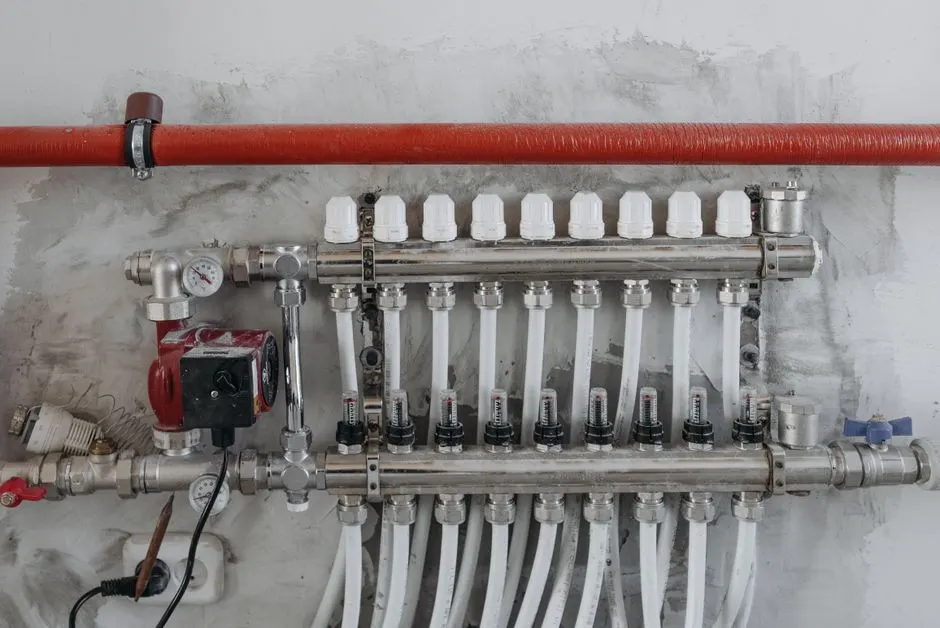
Our team routes copper pipe or PEX tubing to serve the planned fixtures, secures pipe fittings, and makes connections suited to the material and location. Where copper is specified, we use a soldering torch with controlled heat and protect nearby surfaces. We follow the applicable Uniform Plumbing Code requirements and keep connections accessible where practical.
05
Test and restore
We refill the system, inspect joints, and use a pressure gauge to check for leaks and stable operation before closing agreed access points. We flush affected lines, verify flow at fixtures, and show you shutoffs and replaced routes. The final walkthrough covers what was changed, any remaining finish work, and how to spot an issue early.