Catch small plumbing problems before they become emergencies

Plumbing Maintenance in Spokane That Prevents Breakdowns

Plumbing Maintenance in Spokane gives homeowners and property managers a practical way to catch leaks, worn fixtures, and water-heater problems before they disrupt the day. Our plumbing maintenance Spokane WA service checks the working parts of your system, tests performance, and explains repairs in plain language. Schedule before winter freezes arrive or after noticing a slow drain, uneven pressure, or an unexplained change in your water bill.

↗
Fast online booking

Request service today

Tell us what is happening. Our local team will confirm your visit shortly.

No spam. No obligation. Just practical help.
Thanks — we'll call shortly to confirm your visit.
Plumbing Maintenance you can count on
Careful work. Honest options.
About this service

Plumbing Maintenance in Spokane: What We Check

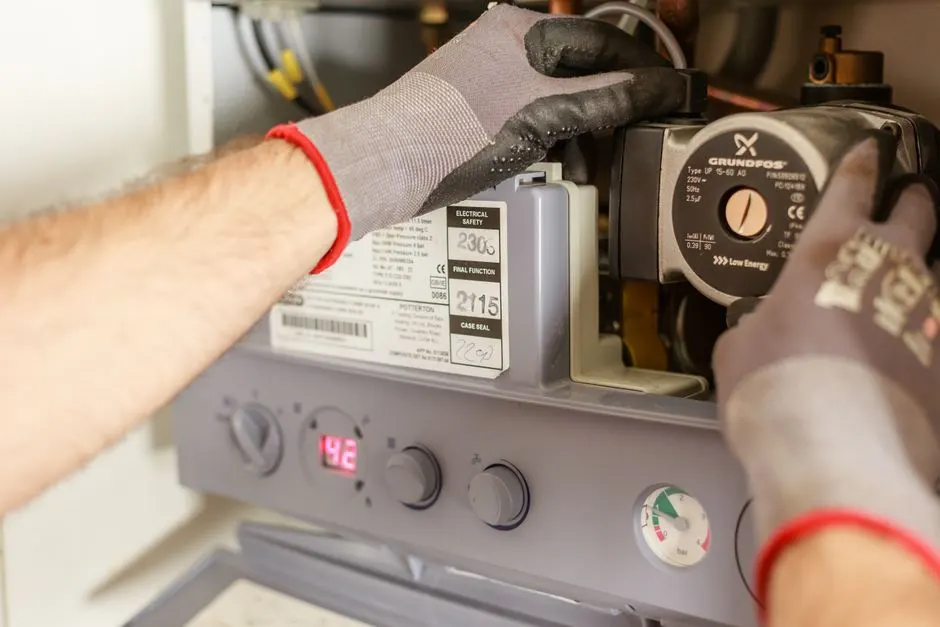
Plumbing Maintenance in Spokane is preventive plumbing service that checks fixtures, visible piping, drains, water pressure, and water-heating equipment to identify developing faults before they cause damage. We inspect supply connections, operate shutoff valves, look for corrosion or moisture, and test toilets and faucets for leaks or wasted water. At the water heater, we check accessible connections and operating condition; a tank flush or anode-rod replacement is recommended when the equipment and manufacturer guidance call for it. You get clear findings and practical next steps, not a checklist without context.

Spokane's freeze-thaw winters put exposed piping, hose connections, and poorly insulated areas under seasonal stress, while older homes can have aging pipe fittings or fixtures that need closer attention. Our annual plumbing maintenance Spokane visits help you spot a slow leak, a running toilet, or water pressure changes before they become a soaked cabinet or an emergency call. If you are searching for plumbing maintenance near me Spokane WA, we serve homes and businesses across Spokane County and adjust the check to your building, equipment, and concerns.

  • ✓ Fewer surprise leaks
  • ✓ More dependable hot water
  • ✓ Drains that keep moving
  • ✓ Clearer repair priorities
What's included

What a Maintenance Visit Includes

A plumbing maintenance visit covers inspection and basic performance checks of accessible plumbing components. We look for leaks, wear, poor drainage, and equipment warning signs, then explain any recommended work. Corrective repairs, replacement parts, drain clearing, concealed leak diagnosis, and water-heater servicing beyond the agreed check are separate tasks. We identify the need and price the work before proceeding, so you know what the visit covers.

✓

Fixture and leak check

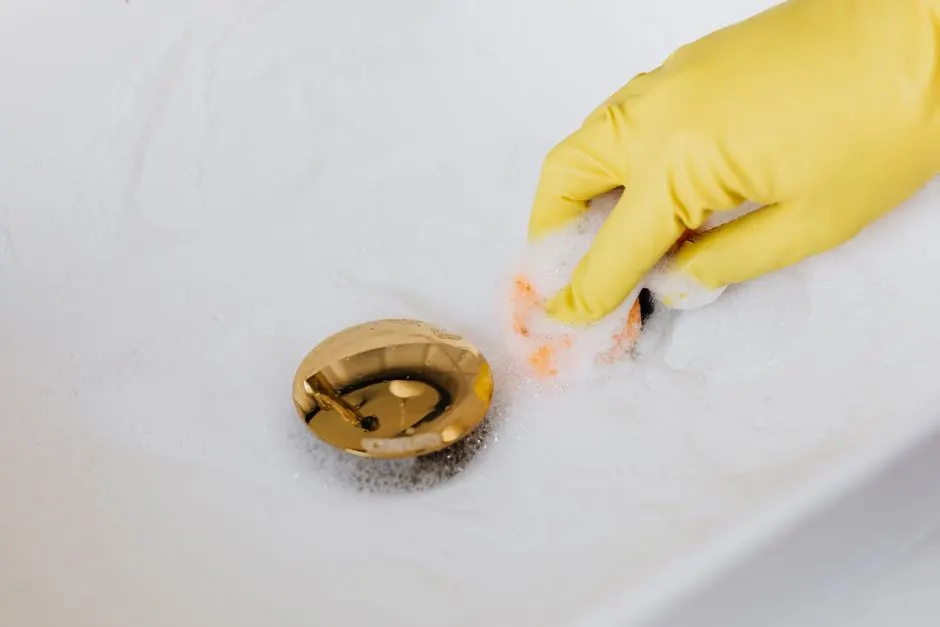
We operate faucets and toilets, inspect visible seals and connections, and look for moisture under sinks and around accessible fixtures. This check can reveal a leaking faucet, running toilet, or loose supply fitting before it damages cabinetry or flooring.

✓

Visible pipe review

We inspect accessible piping and fittings for corrosion, movement, dampness, and signs of past leaks. Where a line disappears into a wall or slab, we look for symptoms that warrant dedicated leak detection rather than claiming a visual check can see through finished surfaces.

✓

Drain and pressure checks

We run water at selected fixtures to assess drainage and ask about recurring clogs or backups. If low pressure is a concern, we use a pressure gauge when suitable and explain what the reading means for your system.

✓

Water heater condition

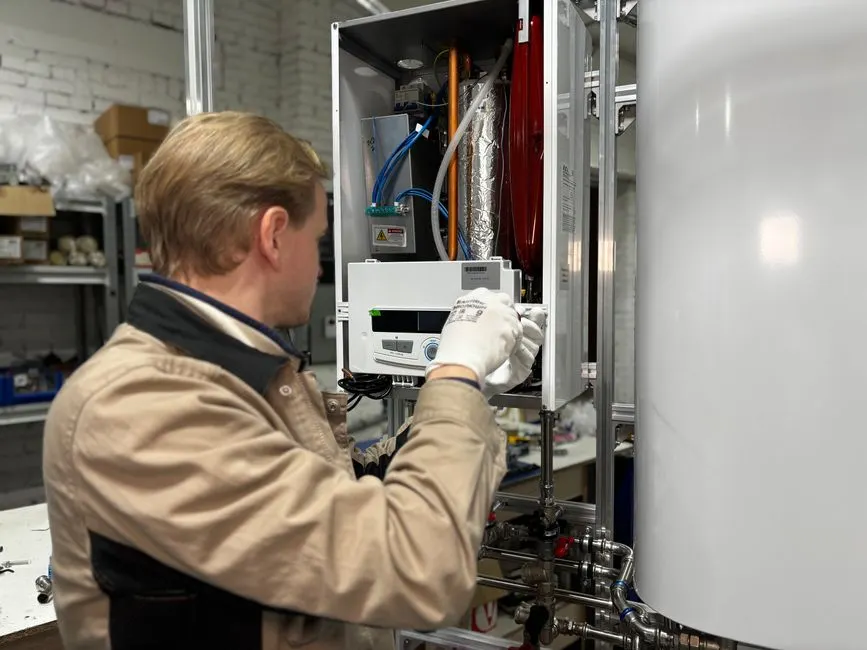
We inspect accessible water-heater connections and look for visible leakage, corrosion, or operational concerns. Flushing, anode-rod replacement, descaling, and repairs are performed as separate maintenance or corrective work when appropriate for the equipment.

✓

Findings and next steps

We explain urgent issues, developing wear, and items that simply need monitoring. You receive a practical summary of what we checked and what action makes sense, including a repair recommendation when a defect cannot be resolved through inspection alone.

How it works

What to Expect During a Visit

01

Discuss concerns

We begin by asking what you have noticed: a toilet that cycles, a faucet that drips, a slow drain, or a water heater that sounds different. You show us any problem areas and tell us about recent repairs. This short conversation helps us spend time on the fixtures and equipment that matter most to you rather than treating every home as identical.

02

Inspect accessible systems

We check visible supply lines, fixture connections, traps, shutoffs, and the water heater area for moisture, wear, corrosion, or unsafe operation. We test faucets and toilets and look for signs of a slab leak or concealed leak that need further diagnosis. The inspection focuses on accessible plumbing; opening walls or excavation is not part of a routine check.

03

Test performance

We run water at selected fixtures, check drainage, and use a pressure gauge where pressure concerns warrant measurement. A standard residential supply pressure target is commonly around 40 to 80 psi, subject to local requirements and system design. If readings or symptoms point to a deeper fault, we explain the next diagnostic step before proceeding.

04

Explain findings

We show you what we found, identify repairs that deserve prompt attention, and separate them from routine monitoring. If a faucet cartridge or worn connection is the issue, we describe the repair and its cost before work begins. You can ask questions while the affected part is visible, rather than trying to interpret a vague report later.

05

Complete and verify

After an approved repair or maintenance task, we operate the fixture again, check the connection for leaks, and confirm normal drainage or hot-water operation. We leave you with the work performed and any useful maintenance interval for your equipment. If the inspection finds a larger issue, we explain the appropriate repair service and next step.

Tools & methods

Tools and Inspection Methods

Purpose-built equipment, used by trained technicians — so the job is done accurately the first time.

Pressure gauge

We use a pressure gauge when a customer reports weak or inconsistent flow. A measured reading helps us distinguish a supply-pressure concern from a single restricted fixture or worn faucet component.

Leak detection equipment

When visible checks do not explain moisture or water loss, leak detection equipment helps narrow the search for a concealed leak. We use targeted testing to avoid guessing about the source.

Drain snake

A drain snake can clear suitable localized obstructions in a fixture branch. We select it based on the symptom and line condition, then run water to confirm whether flow has improved.

Video camera inspection system

For recurring drain or sewer symptoms, a video camera inspection system shows the line interior and can help identify buildup, damage, or root intrusion. The findings guide the next service.

Pipe wrench

A pipe wrench provides controlled grip when service requires adjustment of compatible plumbing connections. We protect surrounding surfaces and use the tool only where the fitting and access make it appropriate.

Real results

Before and after.

A running toilet found early

Before

A homeowner noticed the toilet refilling at irregular intervals but could not see water on the floor. The tank's worn internal seal was letting water pass into the bowl, creating a quiet, continuous loss that was easy to miss between normal household sounds.

After

We identified the leaking tank component, completed the approved repair, and tested repeated flushes to confirm the refill stopped normally. The toilet no longer cycled between uses, and the homeowner had a clear explanation of the part that caused the waste.

A damp sink cabinet dried

Before

A resident found a damp patch beneath a kitchen sink but saw no steady drip. Moisture around a supply connection had started to affect stored items, and the cabinet stayed wet after the faucet was used.

After

We traced the moisture to the accessible connection, repaired it, then ran the faucet and checked the area again. The connection remained dry during testing, and the resident could use the sink without placing a container under the line.

A recurring slow drain addressed

Before

A bathroom sink repeatedly slowed after temporary clearing. Water lingered in the basin, and the household had begun avoiding the fixture because it seemed likely to clog again.

After

We assessed the fixture and cleared the suitable localized obstruction with a drain snake, then ran water to verify improved flow. The basin drained normally during testing; recurring symptoms would prompt further line investigation rather than repeated surface clearing.

Problems we solve

Problems a Spokane Tune Up Can Catch

A plumbing tune up Spokane visit is useful when small changes suggest a system is starting to fail. We investigate the symptom, check related accessible components, and tell you whether maintenance, repair, or more detailed diagnosis is the right next move. Early attention helps limit water damage and avoid repeated trouble.

Ask a pro →
01

A toilet keeps refilling after the bathroom has been quiet.

We operate the toilet, inspect its accessible tank components, and identify the part causing the continuous refill. If repair is needed, we explain the work and test the flush and refill cycle afterward. A toilet that continues running after adjustment may need a specific replacement part rather than repeated handle movement.

↗
02

A damp cabinet appears beneath a kitchen faucet or supply line.

We inspect the faucet connections, shutoffs, and visible supply tubing, then dry and retest the area after an approved repair. If moisture points to a concealed leak, we explain how leak detection equipment can narrow the source instead of opening surfaces without a diagnosis.

↗
03

A drain slows down again a few weeks after being cleared.

We note which fixtures are affected and test drainage to help locate the problem. A fixture-level clog may respond to a drain snake, while repeated or multi-fixture symptoms can require a video camera inspection or other drain service. We match the method to the evidence.

↗
04

Hot water takes longer to recover or the heater area shows moisture.

We inspect accessible connections and the unit's visible condition, then ask about changes in temperature and recovery. If the heater needs flushing, repair, or replacement, we explain the appropriate service for its type and condition rather than treating every unit the same.

↗
Proof you can check

Credentials and Service Standards

✓
Washington State Plumber LicenseWashington State Department of Labor & Industries
✓
Backflow Prevention Assembly Tester CertificationWashington State Department of Health
✓
EPA WaterSenseU.S. Environmental Protection Agency
✓
OSHA safety certificationOccupational Safety and Health Administration
Good questions

Plumbing Maintenance Questions, Answered

(509) 206-8096 →

A routine plumbing maintenance visit in Spokane commonly costs about $150 to $450, depending on property size, equipment, and testing required. The 2026 price range reflects a basic inspection through a more involved visit with added checks; repairs and replacement parts are priced separately. We explain the price before approved work begins. A recurring leak, blocked drain, or water-heater fault needs diagnosis beyond a routine check.

Schedule plumbing maintenance once a year, with an additional check before winter if your property has exposed or vulnerable piping. An annual visit helps catch fixture leaks, worn connections, and developing water-heater issues before freezing weather raises the stakes. Older homes, busy rental properties, or systems with recurring clogs may benefit from more frequent attention based on their condition and use.

A standard visit checks accessible pipes and connections, faucets, toilets, shutoff valves, visible drains, water pressure when needed, and the water heater's accessible condition. We operate fixtures, look for leaks and wear, and explain repairs indicated by the inspection. Cleaning a blocked sewer, opening walls, replacing parts, or flushing a heater is additional work when required and is discussed separately.

Yes, we offer plumbing tune ups in Spokane for homeowners and property managers who want a preventive check of fixtures, accessible piping, drains, and water-heating equipment. A typical visit takes about 1 to 2 hours for an accessible home system. We tailor the checks to your concerns, such as a running toilet, slow drain, or signs of a leak, then explain any recommended repair.

Ready when you are

Book Plumbing Maintenance in Spokane

Catch leaks, weak connections, and equipment trouble before they interrupt your home or business. Call Plumbing Spokane LLC at (509) 206-8096 to schedule a maintenance visit; our team has served Spokane since 2014.

Schedule Maintenance (509) 206-8096 →
Request an appointment

Contact Our Spokane Team

Tell us what is leaking, blocked, or not working, and we will help you choose the next step. Call (509) 206-8096 for service questions and scheduling; our team handles calls during business hours and responds to urgent requests as promptly as possible. We serve Spokane, WA, including ZIP codes 99201, 99203, and 99202, with additional coverage across the city.

Request received — our team will be in touch shortly.
Tap to call(509) 206-8096