01
Map the symptoms
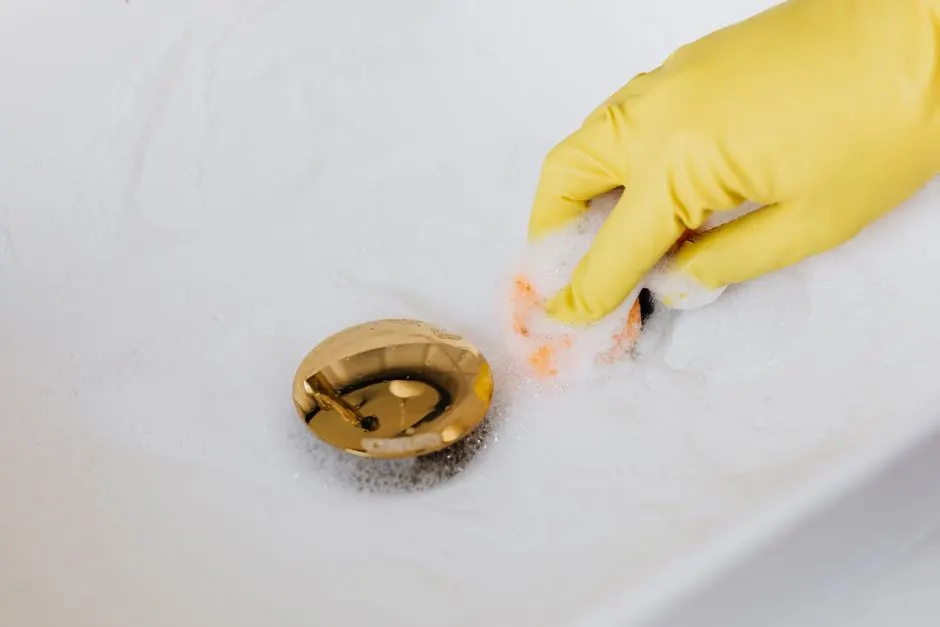
We ask which fixtures are slow, whether they gurgle, and when the blockage returns. A single sink often points to a branch drain; several fixtures affected together suggest a shared line. This conversation takes about 10 to 15 minutes and helps us choose an access point instead of treating the wrong pipe.
02
Inspect the pipe
We use a video camera inspection system when the symptoms or pipe condition call for it, checking for cracks, offsets, roots, and standing water. The camera view helps us decide whether jetting is appropriate and where buildup sits. We do not send high-pressure water into a line that appears structurally unsafe.
03
Set up safely
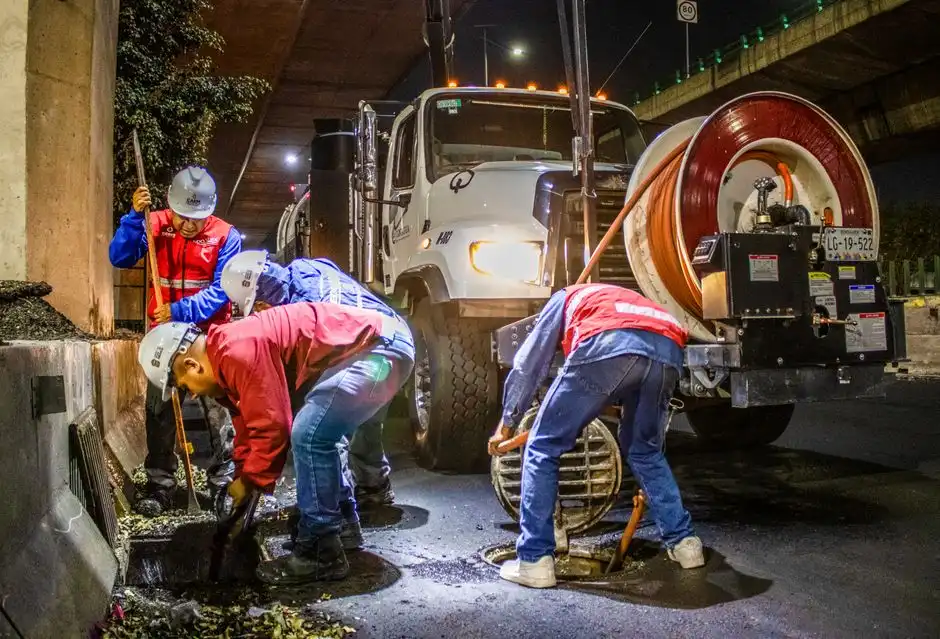
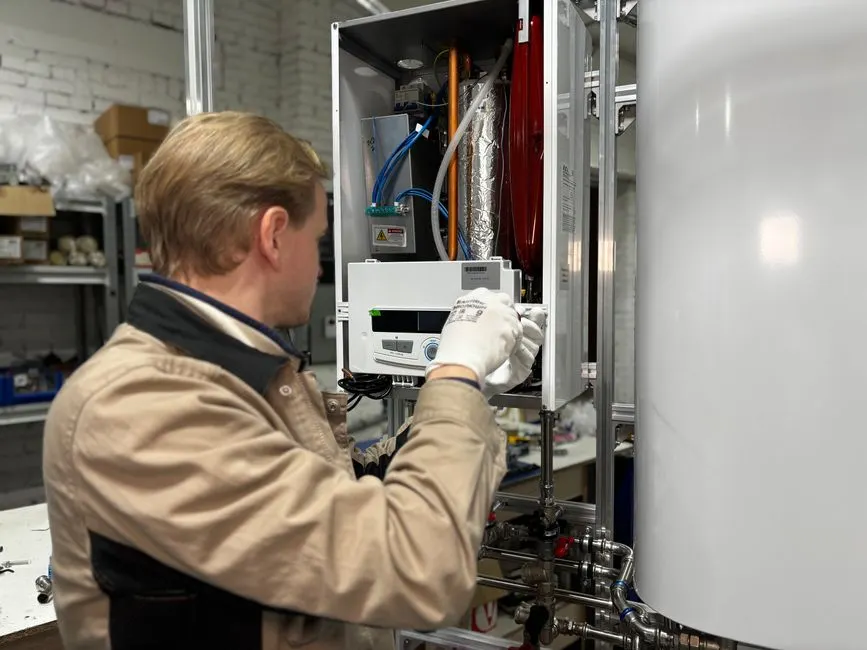
Our technician protects the work area, opens an appropriate cleanout, and connects the hydro jetter. A pressure gauge helps keep operating pressure matched to the pipe and blockage. We select a nozzle for the job, then confirm the hose can travel through the line without forcing past a defect.
04
Jet the line
The technician advances the hose through the drain while the nozzle directs water to loosen and flush debris. The time varies with pipe length, access, and material; a routine line may take under an hour to clean once setup is complete. You will hear the equipment run, but fixtures remain available only as the work area requires.
05
Verify clear flow
We check drainage after cleaning and, when useful, review the line with the camera to confirm the blockage has cleared. We explain what came out, note any pipe defects, and share maintenance guidance for your use pattern. Before we leave, we confirm the affected fixtures are draining as expected.