Find the source, make the line safe, plan repairs

Gas leak detection Spokane WA for Safer Homes

Gas leak detection Spokane WA helps homeowners, landlords, and commercial property managers respond to a suspected leak before it becomes a greater hazard. If you smell rotten eggs, hear hissing, or notice a gas appliance behaving unusually, leave the building and call 911 or your gas utility from a safe location first. Once the area is cleared, our team can inspect accessible gas piping, locate the leak, and explain the repair needed.

↗
Fast online booking

Request service today

Tell us what is happening. Our local team will confirm your visit shortly.

No spam. No obligation. Just practical help.
Thanks — we'll call shortly to confirm your visit.
Gas Leak Detection
Careful work. Honest options.
About this service

Gas leak detection Spokane WA explained

Gas leak detection Spokane WA is a diagnostic plumbing service that locates escaping fuel gas in piping or appliance connections when a leak is suspected. We start with the reported odor, sound, or appliance issue, then inspect accessible joints and use leak detection equipment to check suspect sections. A pressure gauge can help evaluate an isolated line under the right test conditions; approved leak-detection solution helps confirm a suspect connection. We mark the location, explain whether repair is needed, and retest affected piping after authorized work.

Spokane homes range from older properties with remodeled utility rooms to newer builds with multiple gas appliances, so the likely source is not always obvious. Cold snaps in November and winter can increase heating demand and expose weak fittings as furnaces cycle more often. If you need to find gas leak Spokane, evacuate first and contact emergency responders or the utility from outside; after the immediate danger is controlled, gas leak inspection Spokane checks the piping and connections in question.

  • ✓ Locate the actual source
  • ✓ Reduce unnecessary disruption
  • ✓ Support a verified repair
  • ✓ Coordinate urgent response
What's included

What gas leak detection includes

Our gas leak detection visit covers symptom review, visual inspection of accessible gas piping and connections, appropriate isolation and leak checks, and a clear explanation of findings. If you authorize a repair, we address the identified plumbing-side fault and retest the affected section. Appliance replacement, concealed access work, utility-owned equipment, and larger repiping are separate tasks when the diagnosis shows they are needed; we explain the work and price before proceeding.

✓

Reported symptom review

We record where and when you noticed odor, hissing, or appliance trouble, and what equipment was operating. This gives the inspection a starting point and helps us focus on the branch or connection most relevant to your report.

✓

Accessible piping inspection

We examine visible gas piping, shutoffs, joints, and appliance connectors around the reported area. You learn which components were checked and whether the suspected source is accessible or appears to involve concealed piping.

✓

Targeted leak testing

We isolate sections when the layout allows and use suitable leak detection equipment or pressure testing to check suspect areas. The method depends on the piping and conditions; you receive a direct explanation of what the test indicates.

✓

Repair verification

When repair is authorized, we correct the identified plumbing-side fault and retest the affected section. We explain the result and whether another party, such as the gas utility, needs to address equipment outside the plumbing work.

How it works

What to expect during inspection

01

Make the area safe

If you smell gas now, leave the building without operating lights, appliances, or phones inside; call 911 or your gas utility from outside. After emergency personnel or the utility clears the location, our team reviews what happened and confirms the affected area. We do not ask you to stay near an active odor to troubleshoot.

02

Review symptoms

We ask when the odor occurs, which appliances were running, and whether anyone heard hissing or saw a recent service change. You can point out the suspected room, meter-side piping, or appliance connection from a safe location. This history helps us prioritize likely branches and avoid testing unrelated areas first.

03

Inspect and isolate

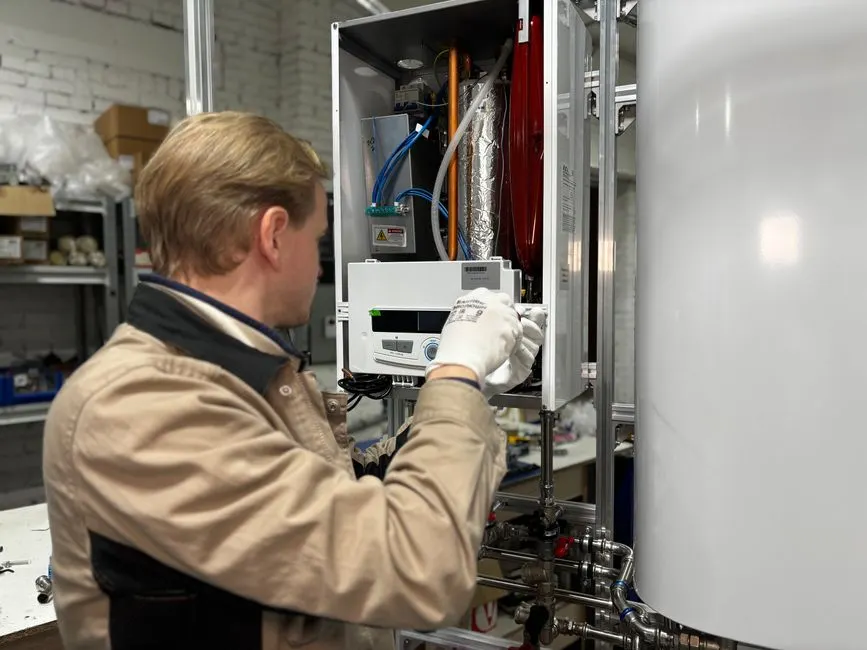
We visually inspect accessible pipe runs, shutoffs, unions, and appliance connectors, then isolate sections as the layout allows. A RIDGID or Milwaukee inspection tool may assist with access or confirmation, while leak detection equipment checks suspect points. A simple accessible system often takes 1 to 2 hours to inspect.

04

Explain the findings

We show you the leak location or explain which section failed testing, then describe repair options and the work involved. An exposed fitting differs from a concealed branch or damaged pipe, so we identify the practical distinction before proceeding. You get upfront pricing for the repair before we start that work.

05

Repair and retest

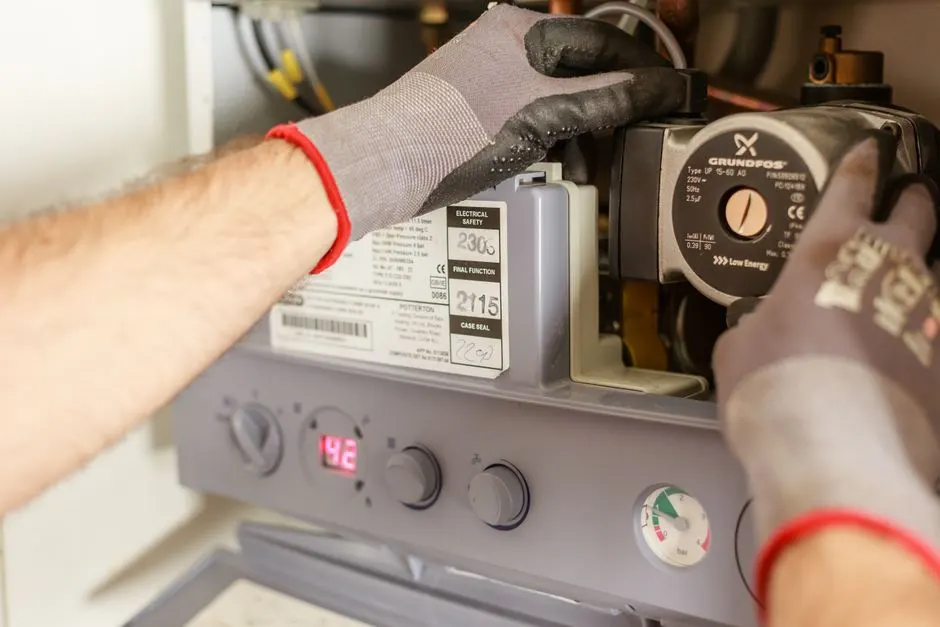
After you authorize the repair, we replace or correct the affected gas piping component and test the repaired section using the applicable procedure. A pressure gauge supports pressure testing where appropriate; test duration and criteria depend on the system and code requirements. We explain the result and any remaining utility or inspection steps.
Tools & methods

Tools and testing methods

Purpose-built equipment, used by trained technicians — so the job is done accurately the first time.

Leak detection equipment

We use suitable gas leak detection equipment to check accessible joints and connections identified during inspection. The reading helps confirm a suspect location; it does not replace evacuation or emergency response when an active odor is present.

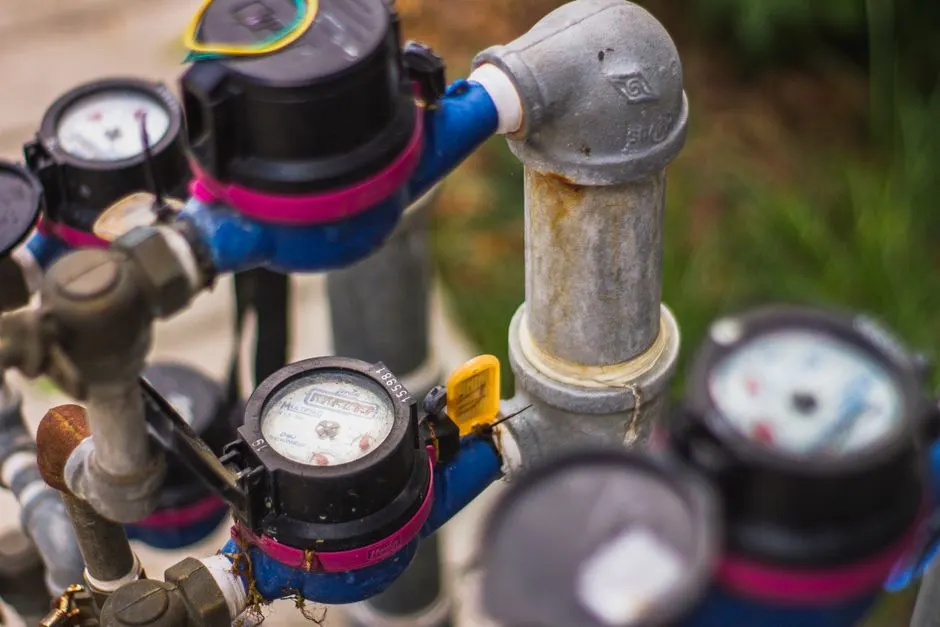
Pressure gauge

A pressure gauge supports an isolated-line pressure test when that method suits the piping and test conditions. We compare readings over the applicable test period and explain what the result means for the section examined.

RIDGID inspection tools

RIDGID tools support inspection and service access where a fitting or pipe run is difficult to reach. We select the tool for the piping layout and avoid using an access method that could create unnecessary damage.

Milwaukee hand tools

Milwaukee hand tools assist with controlled access and repair work on accessible piping and connections. Tool choice depends on the component; gas joints require methods and materials suitable for the specific fitting and applicable code.

Real results

Before and after.

Odor near a furnace connection

Before

A homeowner notices a rotten-egg smell when the furnace starts and cannot tell whether the source is the appliance or nearby piping. The family leaves and contacts the utility, but the plumbing-side connection still needs inspection after the area is cleared.

After

We inspect the accessible furnace branch and locate a leaking connection. After the homeowner approves repair, we correct the fitting and retest the affected section. The result is a confirmed repair rather than a furnace restart based on guesswork.

Range moved during a kitchen remodel

Before

After a range is repositioned, a tenant notices intermittent odor near the shutoff. The space is evacuated and cleared, but staff still need to know whether the connector, valve, or branch piping is responsible.

After

We inspect and test the accessible connection and find the fault at the appliance-side fitting. We correct the plumbing-side connection, then verify the affected section. The tenant receives a clear explanation of what was checked before the range returns to use.

Intermittent odor in a utility room

Before

A property manager receives two odor reports near a water heater but no steady smell during the day. Because the symptom comes and goes, staff cannot identify the source and are concerned about keeping the unit occupied.

After

After emergency clearance, we review when the odor occurred and test accessible piping near the heater. The inspection identifies a suspect connection, which we repair and retest. The manager gets a defined test area and a practical record of the completed work.

Problems we solve

Problems gas leak detection resolves

A gas odor does not identify the failed connection by itself. Our inspection helps separate a loose appliance fitting from a pipe defect, a shutoff issue, or a concern outside the plumbing system. For an affordable gas leak detection Spokane visit, the useful outcome is a confirmed source and a repair plan based on testing, not guesswork.

Ask a pro →
01

Rotten-egg odor returns whenever a furnace or range operates.

Leave the building and contact emergency responders or the gas utility from outside. After the property is cleared, we inspect accessible appliance connections and branch piping, isolate the suspect section, and test it. If we find a plumbing-side leak, we explain and perform the repair you authorize, then verify the affected line.

↗
02

A hissing sound comes from an exposed gas pipe or shutoff.

Do not approach the pipe to investigate. Evacuate and call 911 or the gas utility from a safe location. Once cleared, we inspect the accessible run and fittings, identify the section involved, and explain whether a fitting correction or pipe repair is appropriate. We retest completed work before concluding the plumbing repair.

↗
03

An appliance connection was disturbed during replacement or remodeling.

If you smell gas after the work, leave and make the emergency call first. After clearance, we inspect the appliance connection and nearby shutoff, verify the fitting, and test the affected section. We correct the plumbing-side connection when needed and explain any appliance or utility work outside our scope.

↗
04

A gas odor appears only during cold-weather heating cycles.

Stop using the affected area and evacuate if an odor is present. After clearance, we review when the smell occurs, inspect accessible furnace piping and connections, and test the relevant section. A focused diagnosis helps distinguish a gas-line concern from a burner or appliance issue that needs separate attention.

↗
Proof you can check

Local service details

✓
Washington State Plumber LicenseWashington State Department of Labor & Industries
✓
Uniform Plumbing Code complianceApplicable Washington and local code authorities
✓
Backflow Prevention Assembly Tester CertificationRecognized certification program
Good questions

Gas leak detection questions, answered

(509) 206-8096 →

In 2026, a straightforward accessible-line inspection often costs about $180 to $450 and takes roughly 1 to 2 hours. The final price depends on how many branches need testing, whether piping is concealed, and whether repair work is needed. We provide upfront pricing before repair begins. If you smell gas now, leave first and call 911 or the gas utility from a safe location; do not wait for a plumbing appointment.

Leave immediately, avoid flames and electrical switches, and call 911 or your gas utility from outside. Do not use a phone, start a vehicle, or re-enter the building until emergency responders or the utility says it is safe. Once the area is cleared, call us to inspect plumbing-side piping and arrange gas leak repair Spokane if a failed line or connection is found.

We respond to gas leak service requests, but an active odor requires evacuation and a call to 911 or the gas utility first. Do not wait indoors for a technician. After emergency personnel clear the property, contact Plumbing Spokane LLC at (509) 206-8096 to discuss inspection and repair. Emergency gas leak detection Spokane Washington begins with a safe scene, then a focused piping diagnosis.

We review the reported symptoms, inspect accessible piping and appliance connections, isolate suspect sections, and use suitable leak detection equipment to confirm the source. A pressure gauge can support an isolated-line test when appropriate; the method depends on the system. After repair, we retest the affected section. We do not ask customers to locate a leak themselves, and you should evacuate if you smell gas.

Ready when you are

Arrange gas leak detection Spokane WA

If you smell gas, leave and call 911 or your gas utility from outside. Once the property is cleared, call Plumbing Spokane LLC at (509) 206-8096 for plumbing-side inspection and repair. We are a local team serving Spokane County.

Call for service (509) 206-8096 →
Request an appointment

Contact Our Spokane Team

Tell us what is leaking, blocked, or not working, and we will help you choose the next step. Call (509) 206-8096 for service questions and scheduling; our team handles calls during business hours and responds to urgent requests as promptly as possible. We serve Spokane, WA, including ZIP codes 99201, 99203, and 99202, with additional coverage across the city.

Request received — our team will be in touch shortly.
Tap to call(509) 206-8096